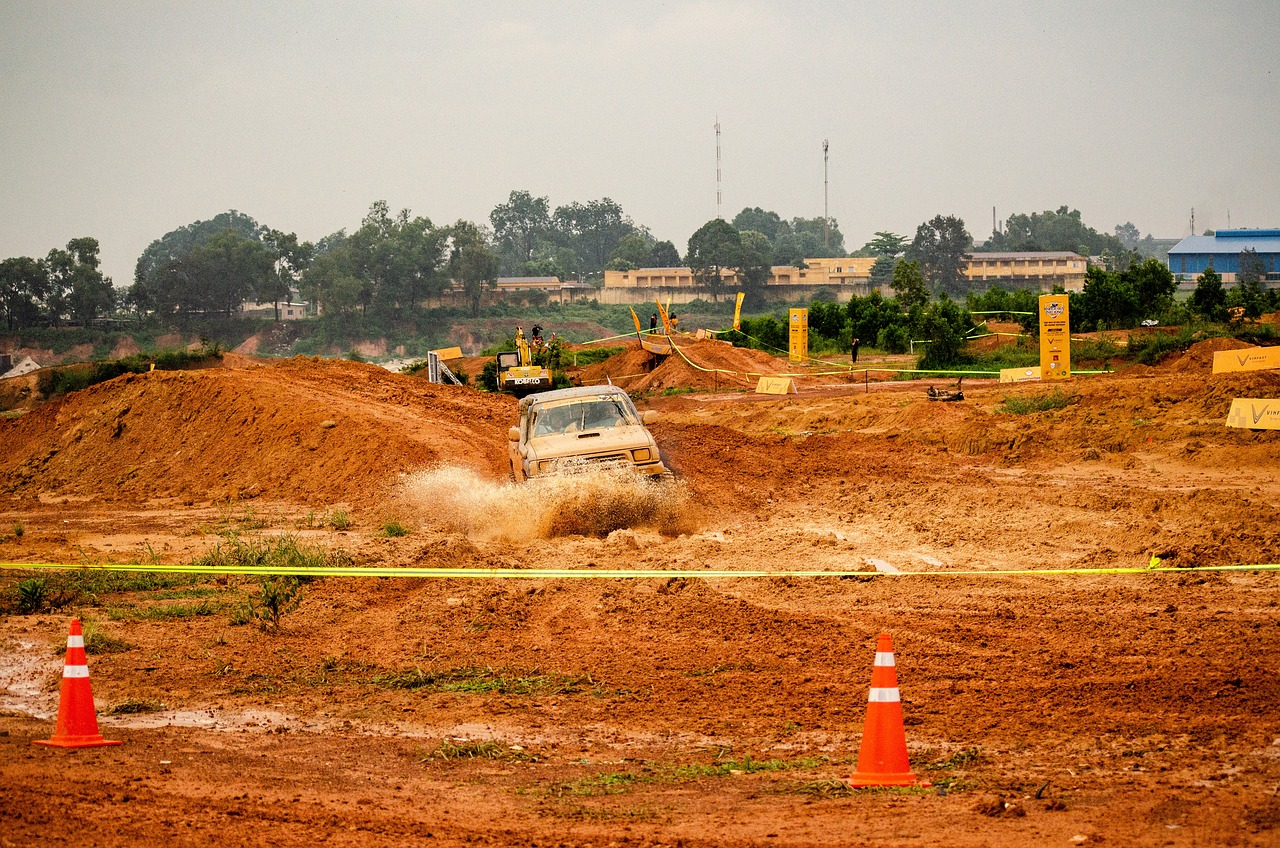
In the rugged world of off-roading, where every terrain presents a unique challenge, your vehicle’s suspension and brakes are your most trusted allies. This is especially true when it comes to brake calipers—a critical component that ensures precise control over your 4×4 during extreme conditions. Brownsville’s renowned overland 4×4 suspension specialists offer invaluable insights and tips to help you understand, maintain, and enhance these essential parts for optimal off-road performance.
Unlocking the Potential: The Role of Brake Calipers in Off-Road Adventure
Brake calipers are the mechanical marvels that clamp down on your vehicle’s rotors, slowing or stopping its rotation. In the demanding environment of off-roading, where mud, rocks, and uneven terrain dominate, efficient braking becomes non-negotiable. Tips from Brownsville’s overland experts highlight the significance of proper caliper maintenance and customization for enhanced control and safety.
Demystifying Brake Calipers: Anatomy and Function
How Brake Calipers Work
Brake calipers are essentially clamping devices that apply pressure to the brake rotor, converting your foot’s input (via the brake pedal) into a mechanical force that slows down the wheel. This process involves:
- Pedal Input: The driver presses the brake pedal, which activates the hydraulic system.
- Hydraulic Pressure: Fluid under pressure is forced through lines to the calipers.
- Piston Extension: The hydraulic fluid pushes against pistons inside the caliper body, causing them to extend.
- Clamping Action: The extended pistons press against the rotor, generating friction that slows or stops wheel rotation.
Types of Brake Calipers
Off-road enthusiasts often encounter various caliper types:
- Floating Calipers: Common in many 4x4s, these calipers move horizontally on a pivot to engage the rotor. They offer good cooling and are cost-effective.
- Fixed Calipers: Found on high-performance vehicles, fixed calipers remain stationary, providing consistent clamping force but less adaptable to varying terrain.
- Dual-Piston Calipers: These offer enhanced power and stability, with each piston acting independently for better control during extreme braking demands.
Expert Tips for Optimizing Brake Caliper Performance
Brownsville’s overland 4×4 suspension specialists share their knowledge on how to get the most out of your calipers:
1. Regular Inspection and Maintenance
- Check for Wear: Regularly inspect calipers for signs of wear, corrosion, or damage. Replace worn components immediately to ensure safe and effective braking.
- Lubrication: Apply high-quality lubricant to pivot points and slides to reduce friction and prevent premature wear.
- Hydraulic Fluid Condition: Monitor the condition of your hydraulic fluid. Contaminated or old fluid can affect caliper performance, so regular changes are essential.
2. Customizing for Off-Road Adventures
- Upgrade Caliper Design: For extreme off-roading, consider high-performance calipers with larger pistons and stronger springs to handle increased brake force demands.
- Adjustable Caliper Mounts: Install adjustable mounts to fine-tune caliper positioning, ensuring optimal contact with rotors for better braking efficiency.
- Off-Road Fluid: Use special off-road hydraulic fluids designed to withstand extreme temperatures and conditions without breaking down.
3. Techniques for Extreme Braking
- Anti-Lock Braking (ABS) Understanding: Learn how ABS works to prevent wheel lockup during hard braking. This system requires calipers that can quickly cycle between clamping and releasing.
- Precision Control: Practice controlled, aggressive braking techniques on safe off-road trails. This helps you feel the calipers’ response and fine-tune your driving style.
- Wheel Spacing and Caliper Alignment: Ensure proper wheel spacing and align calipers for even pressure distribution, preventing uneven wear and maintaining optimal stopping power.
Troubleshooting Common Brake Caliper Issues
Identifying and addressing problems early is crucial:
Common Caliper Problems:
- Pulling or Vibration: Uneven braking force can indicate worn caliper components, improper alignment, or fluid contamination.
- Noise during Braking: Squealing, grinding, or clicking sounds may signal corroded pins, damaged pads, or low hydraulic fluid levels.
- Soft Brake Pedal: A spongy pedal could be a sign of leaks, air in the system, or worn master cylinder components.
Step-by-Step Troubleshooting:
- Check Fluid Levels and Condition: Ensure the reservoir is filled to the correct level and inspect for any signs of contamination.
- Inspect Caliper Mounts: Verify that calipers are securely mounted and aligned. Worn mounts can lead to improper caliper operation.
- Examine Brake Pads and Rotors: Replace worn pads and check rotors for warping or damage, which can affect caliper performance.
FAQ: Answering Your Brake Caliper Queries
Q: How often should I replace brake calipers?
A: The frequency depends on your driving style, vehicle use, and environmental conditions. As a general guideline, inspect calipers every 30,000 miles (or more frequently if off-roading extensively) and consider replacing them after 60,000-80,000 miles, or as recommended by manufacturers.
Q: Can I use regular brake fluid for off-road adventures?
A: While regular brake fluid is suitable for everyday driving, it may not withstand the extreme conditions of off-roading. Opt for high-performance, off-road-specific hydraulic fluids designed to retain their properties under severe stress.
Q: Are there any tips for maintaining calipers during long storage periods?
A: Yes! For extended storage, drain the brake fluid and replace it with a suitable storage fluid. Lubricate all moving parts and consider removing calipers if storage is prolonged. Regularly check and test the system before hitting the trail again.
Q: How can I tell if my calipers need custom tuning?
A: If your vehicle pulls to one side during braking or exhibits uneven braking performance, it might indicate misalignment or worn components. Consulting a specialist for a dynamic brake balance test can help identify issues requiring custom tuning.
Conclusion: Elevate Your Off-Road Experience with Caliper Care
Brake calipers are the unsung heroes of off-road safety and control. By following the tips from Brownsville’s overland 4×4 suspension specialists, you can unlock their full potential, enhancing your vehicle’s performance on treacherous trails. Regular maintenance, timely upgrades, and a deep understanding of caliper dynamics will ensure your 4×4 stops with precision, allowing you to conquer any off-road challenge that comes your way. Remember, the journey to optimal braking starts with care and expert guidance.